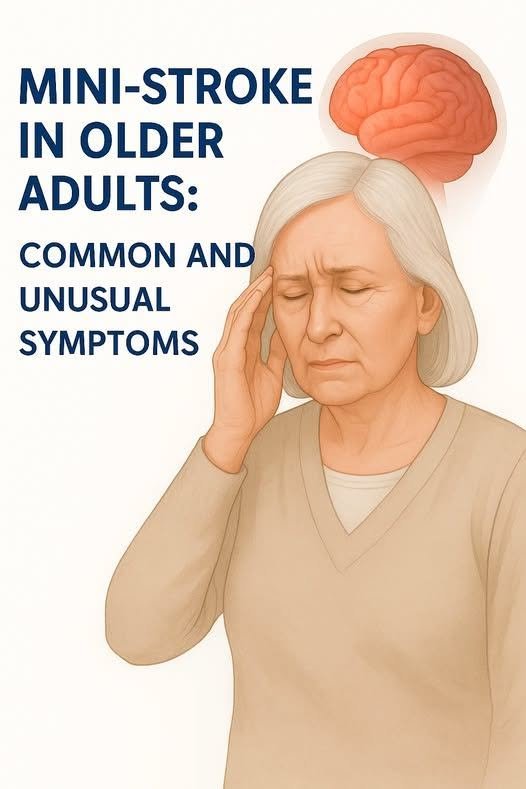
If you or someone you know experiences sudden neurological symptoms, call emergency services immediately.
Why Early Recognition of Mini Stroke Symptoms in Seniors Saves Lives
A transient ischemic attack (TIA), commonly called a mini stroke, is a temporary blockage of blood flow to the brain. Although the symptoms often resolve within minutes to hours, they signal a serious underlying vascular problem that could lead to a full stroke. Seniors are especially vulnerable, and prompt recognition and action can prevent permanent brain damage and reduce healthcare costs, which for stroke treatment can exceed tens of thousands of dollars per hospitalization.
Distinguishing Mini Stroke Symptoms from Other Conditions
Because TIA symptoms are fleeting, they are sometimes mistaken for less serious issues such as fatigue, medication side effects, or inner ear problems. However, unlike these, mini stroke symptoms typically affect one side of the body or specific brain functions, such as speech or vision. Asking simple questions like whether weakness or numbness is one-sided, or if speech is slurred or confused, can help identify a TIA.
Check Your Medicine Cabinet: Common Medication Risks
Many seniors take medications that can influence stroke risk or mask symptoms. Blood thinners, blood pressure drugs, and diabetes medications all require careful management. Conversely, missing doses or interactions can increase the chance of a mini stroke. Regular consultations with healthcare providers to review medications are essential for risk reduction.
Because TIAs often precede full strokes, understanding these warning signs is critical for seniors and caregivers. Immediate medical assessment can lead to treatments that drastically lower the risk of a major stroke, which can cause lasting disability or death.
Here are the 5 critical health signals. Number 3 is the one many overlook but can be the earliest warning sign of a serious problem.