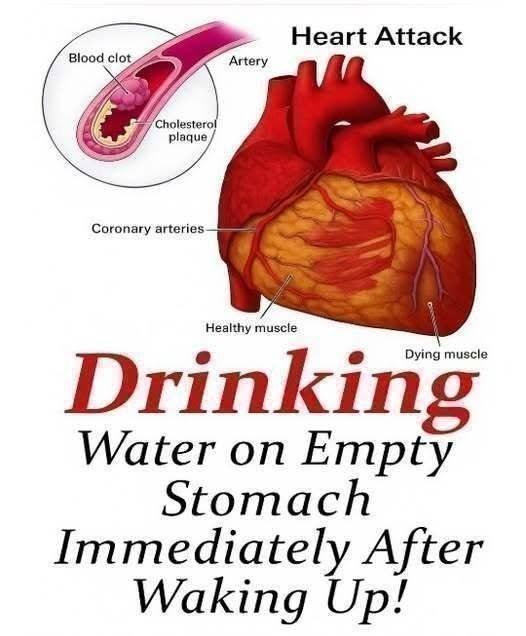
9. Does Not Cure Disease
While water is vital for health and supports many bodily functions, it is not a treatment or cure for diseases or medical conditions. Proper hydration helps your body function optimally but does not replace professional medical care or prescribed therapies.
If you have a health condition, discuss with your healthcare provider how hydration fits into your overall treatment plan. Never rely solely on water intake to manage illness.
10. Daily Water Intake Guidelines
The commonly referenced “eight 8-ounce glasses” rule (about 2 liters or half a gallon) is a reasonable starting point for many adults, but individual needs vary significantly based on factors such as:
- Body size and composition
- Physical activity level
- Climate and environmental temperature
- Overall health status and medical conditions
- Dietary intake, including water-rich foods
Health authorities generally recommend drinking when thirsty and adjusting intake to maintain pale yellow urine color, which indicates adequate hydration.
In some cases, such as heart or kidney conditions, fluid intake may need to be monitored and tailored by a healthcare professional.
When to See a Doctor
If you experience persistent symptoms such as severe dehydration, confusion, dizziness, or changes in urine output, seek medical attention promptly. Additionally, if you have underlying medical conditions that affect fluid balance or kidney function, discuss appropriate hydration strategies with your healthcare provider.
Conclusion
Drinking water on an empty stomach offers clear benefits like rehydration, modest metabolism support, and improved mental focus. However, the timing is less important than ensuring you meet your daily hydration needs consistently. Water supports your body’s natural functions but does not detoxify or cure disease.
Incorporate morning hydration as a simple, healthy habit to start your day, while paying attention to your body’s overall fluid requirements.
Disclaimer: This article is for informational purposes only and does not substitute professional medical advice. Always consult your healthcare provider for guidance tailored to your health needs.