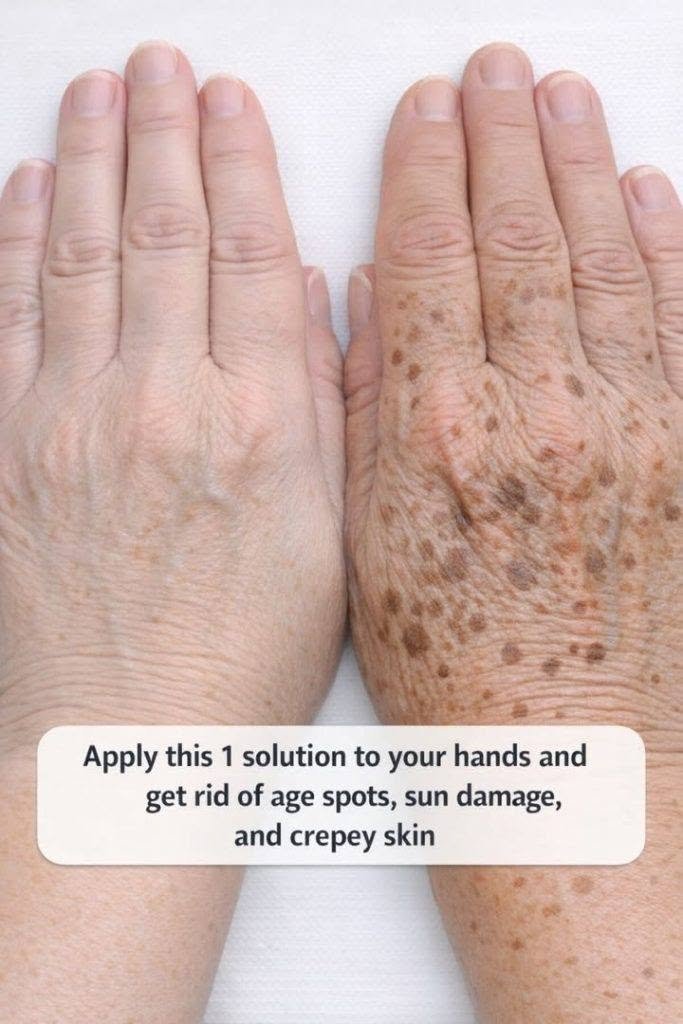
1. Causes of Hand Aging
The skin on our hands ages faster than many other areas due to its unique characteristics and constant exposure to environmental stressors. Unlike the thicker skin on the face or body, the skin on the hands is thinner and has fewer oil glands, making it more vulnerable to damage and dryness.
Prolonged exposure to ultraviolet (UV) radiation from the sun is one of the primary causes of age spots, also called solar lentigines or liver spots. UV rays trigger increased melanin production, which accumulates in patches over time, resulting in visible dark spots.
In addition to sun damage, the hands frequently endure mechanical stress from daily activities and exposure to harsh chemicals and frequent washing. This contributes to the breakdown of collagen and elastin fibers, essential proteins that maintain skin firmness and elasticity. The resulting loss of these structural proteins leads to thin, crepey skin that wrinkles easily.
- Thin skin prone to UV damage
- Frequent exposure to sun, pollution, and temperature changes
- Loss of collagen and elastin causes crepey texture
- Repeated washing and chemical exposure strip natural oils
2. Retinol as Treatment
Retinol, a vitamin A derivative, is a cornerstone treatment recommended by dermatologists for reversing signs of aging on the hands. Its ability to accelerate skin cell turnover and stimulate collagen synthesis makes it particularly effective for treating age spots and restoring skin texture.
Topical formulations containing 0.5% to 1% retinol are commonly used in clinical practice to address pigmentation irregularities and improve skin firmness. Retinol penetrates the skin to encourage the shedding of pigmented, damaged cells and promotes the growth of healthy new cells.
Because retinol enhances collagen production, it also counteracts the loss of skin elasticity that causes crepey, wrinkled hands. This dual action on pigmentation and structural proteins makes retinol a versatile treatment for aging hands.
It is important to start with a suitable concentration and increase usage gradually to minimize irritation. Retinol treatments should be complemented with daily sun protection to prevent further UV damage and maintain results.