4. Dizziness or Loss of Balance
Dizziness, vertigo, or an unexpected loss of balance can be a critical warning sign of a mini stroke affecting the cerebellum or brainstem, areas that coordinate movement and equilibrium. Seniors may feel lightheaded, disoriented, or unable to stand without support.
This symptom often appears suddenly and may be accompanied by nausea or a sensation of spinning. Because balance problems can result from many causes, including inner ear issues, it is important to consider a recent transient ischemic attack, especially if other stroke symptoms are present.
If dizziness is accompanied by weakness, speech difficulty, or vision changes, this increases suspicion of a TIA or stroke and requires immediate medical attention to prevent permanent neurological damage.
- Observe if the person sways or struggles to walk unaided.
- Ask if they feel like the room is spinning or if they feel faint.
- Check for associated symptoms such as headache or numbness.
5. Sudden Severe Headache
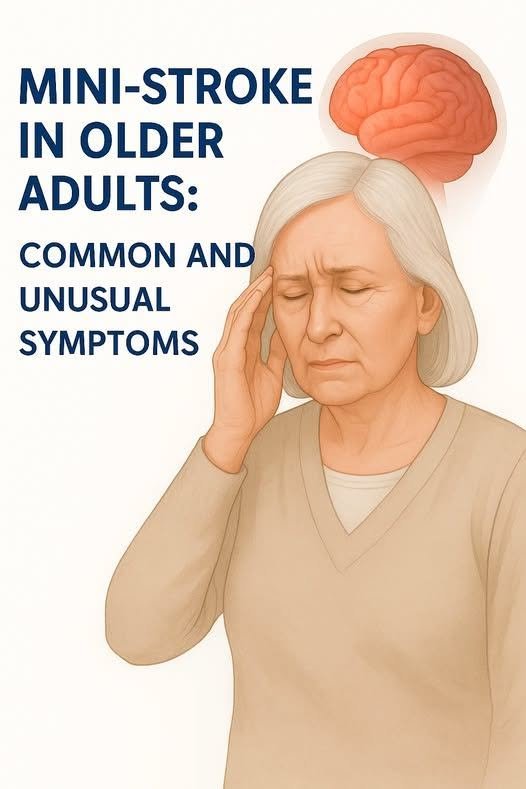
Though less common than other symptoms, a sudden and severe headache may indicate a mini stroke or an impending full stroke, especially if it is described as the worst headache ever experienced. This type of headache can signal vascular issues such as a hemorrhage or aneurysm.
In the context of a TIA, a severe headache should never be dismissed. It warrants urgent evaluation including neuroimaging to exclude life-threatening causes and to initiate timely treatment.
Older adults experiencing such headaches should seek emergency care right away to avoid complications.
When to See a Doctor
If you or a loved one experiences any combination of these symptoms — weakness, speech difficulties, vision changes, dizziness, or severe headache — even if they resolve within minutes, seek immediate medical evaluation. Early diagnosis and treatment of a mini stroke can significantly reduce the risk of a major stroke and long-term disability.
Healthcare providers may recommend diagnostic tests including magnetic resonance imaging (MRI), computed tomography (CT) scans, carotid ultrasound, and cardiac evaluations to determine the cause and guide preventive measures such as antiplatelet therapy, anticoagulation, or surgical intervention.
Conclusion
Recognizing the warning signs of a mini stroke in seniors is vital to preventing a major stroke and preserving quality of life. Sudden neurological symptoms, even if temporary, should never be ignored. Prompt medical attention, risk factor management, and lifestyle modifications can make a decisive difference.
Disclaimer
This information is for educational purposes and is not a substitute for professional medical advice. Always consult a healthcare provider for diagnosis and treatment of any medical condition.